




Oleo-pneumatic suspensions

From artillery to automotive:
over a century of proven performance

A gas-and-oil principle documented in the French 75 mm Model 1897, engineered today for modern 4x4 control.

Operating envelope-52°C to +150°CArctic cold to sustained desert heat
Validation protocol50 bar / 48hPressure test on every single unit
System architectureN₂ + hydraulic oilProgressive spring plus precision damping

Etymology

Let's start by breaking down the word oleo-pneumatic.

Oleo means "oil", and pneumatic means "containing air or gas under pressure."

1897

The 75 mm Model 1897

The French 75 mm Model 1897 field gun is documented by the Musée de l'Armée as the first artillery piece to compensate for recoil on firing. Its hydropneumatic brake used nitrogen and oil to absorb the recoil. The carriage stayed in place and the barrel returned to its starting position, so the crew only needed to correct the aim between shots and could fire faster.

This is an early documented use of gas and oil working together to manage violent motion, decades before the principle reached automotive suspension. Source: Musée de l'Armée.

1925

The springless car

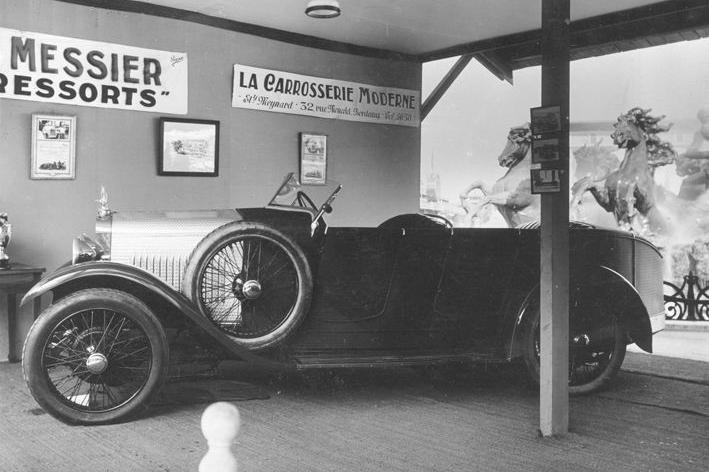
In 1925, George Messier, a French engineer, applied the principle to the automobile and created the "springless car." In total, 150 vehicles were produced.

George Messier springless car at La Carrosserie Moderne showroom
1925 · La Carrosserie Moderne
1930s–50s

Aviation standard

As oleo-pneumatics became the standard for airplane landing gear, the technology proved itself in the most demanding environments on earth. Every commercial aircraft that lands today relies on oleo-pneumatic struts to absorb the enormous forces of touchdown, a testament to the technology's reliability and progressive load management.

1950s–70s

The golden age of automotive adoption

Citroën, followed by Mercedes and Rolls Royce, adopted this technology under the guidance of another French visionary, Paul Magès. These legendary marques demonstrated that oleo-pneumatic systems could deliver a level of ride comfort and road-holding that conventional springs and dampers simply could not match.

Today

Nimbus: the next chapter

Today, Nimbus takes this proven technology and engineers it specifically for modern 4x4s and SUVs. Each unit is hand-crafted in our factory near Saint-Gaudens, France, using aerospace-grade materials and precision-calibrated valving. The result is a suspension system that carries over a century of engineering heritage in every component.

Core principle

The same principle that lands commercial aircraft.

Nimbus uses nitrogen as a progressive spring and hydraulic oil for precise damping. The system absorbs small vibrations that cause fatigue and controls big impacts so the vehicle stays composed on road and off road.

-62°F to +302°F-52°C to +150°C

Operating temperature range

From arctic cold to sustained desert heat. Aluminum 6082 bodies dissipate heat under extreme use, while the complete hydraulic system is engineered for the full range.

The published range applies to the complete Nimbus suspension system.

N₂Dry nitrogen gas

Progressive nitrogen spring

Nitrogen pressure climbs faster the deeper the unit compresses, soft over small road imperfections and progressively firmer under heavy load. The stiffness adapts naturally through gas physics.

Pressure set at build time per vehicle weight and expected payload.

TiNTitanium nitride

Dual-layer piston rod coating

Hard chrome base for structural integrity, topped with Titanium Nitride for significantly lower friction. Reduces stiction so the rod responds immediately, even to the smallest inputs.

Lower friction means less heat, less seal wear, and consistent damping over the life of the unit.

50 bar48 hours submerged

Every unit pressure tested

Each unit is pressurized to 50 bar and submerged underwater for 48 hours before it leaves the workshop. No sampling, no exceptions.

Validation includes pressure retention and seal integrity checks on each unit.

212 kNMax static rating / 127 kN dynamic

FLURO spherical plain bearings

Self-lubricating FLURO spherical plain bearings with bonded FLUROGLIDE liners, manufactured to DIN ISO 12240-1. Depending on bearing size, datasheet ratings range from 112 to 212 kN static and 67.5 to 127 kN dynamic.

Self-lubricating by design: never grease them externally.

0External adjustments

No clickers. No guessing.

In an oleo-pneumatic system, changing gas pressure adjusts both spring rate and damping force simultaneously, keeping their ratio mathematically correct. No mismatched setups. No user error.

Traditional shocks let you adjust one without the other, risking poor ride or damage.

How it works

How oleo-pneumatic works in the real world

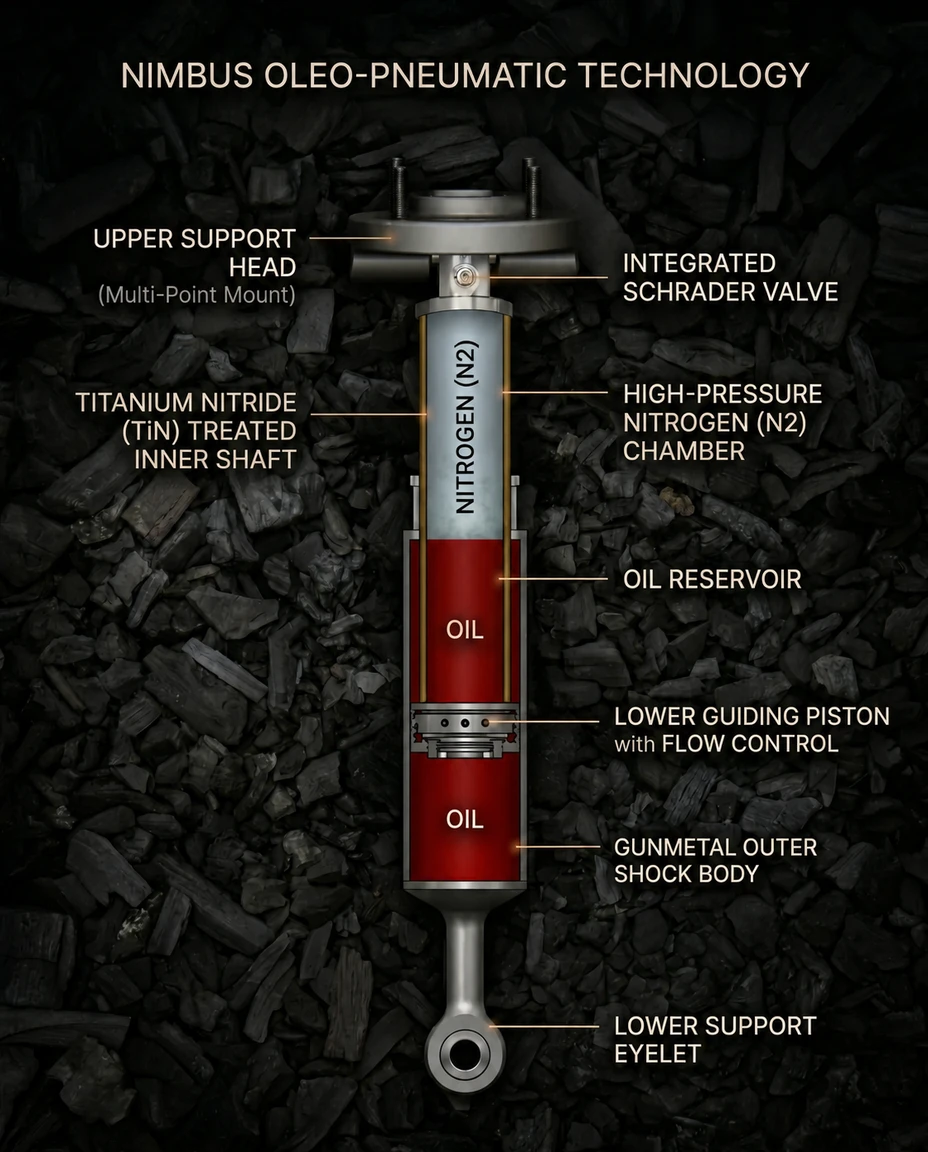
Each Nimbus unit combines nitrogen gas and hydraulic oil in one sealed body. The system reacts as a whole, so it stays calm on small chatter and composed when terrain gets rough.

As the unit compresses, gas volume drops and pressure rises. That gives you a progressive spring effect. At the same time, oil moves through calibrated valves to control compression and rebound.

During use, gas and oil form a controlled emulsion. That is normal in this architecture and part of why Nimbus can blend comfort with control.

On pavement, the vehicle feels more planted. Off road, impacts are managed earlier so harsh bottom-out is far less likely.

Cutaway view of a Nimbus oleo-pneumatic unit: nitrogen chamber, oil reservoir, guide piston, TiN rod, gunmetal body, mounting eye

What you'll feel

What Nimbus does for the driver

Small bump comfort

Smooths small vibrations and chatter that cause fatigue. Low-amplitude inputs are absorbed early, reducing driver strain on long journeys.

Impact control

Large impacts face rising resistance that prevents harsh bottoming. Progressive nitrogen springing absorbs what conventional shocks can't.

Stability on road

Progressive springing reduces brake dive and body roll without creating a harsh ride. Confident braking and cornering, every time.

Off-road travel

Improves usable suspension travel off road while keeping control on pavement. On rough washboard, oil flow and valving manage heat and keep damping stable.

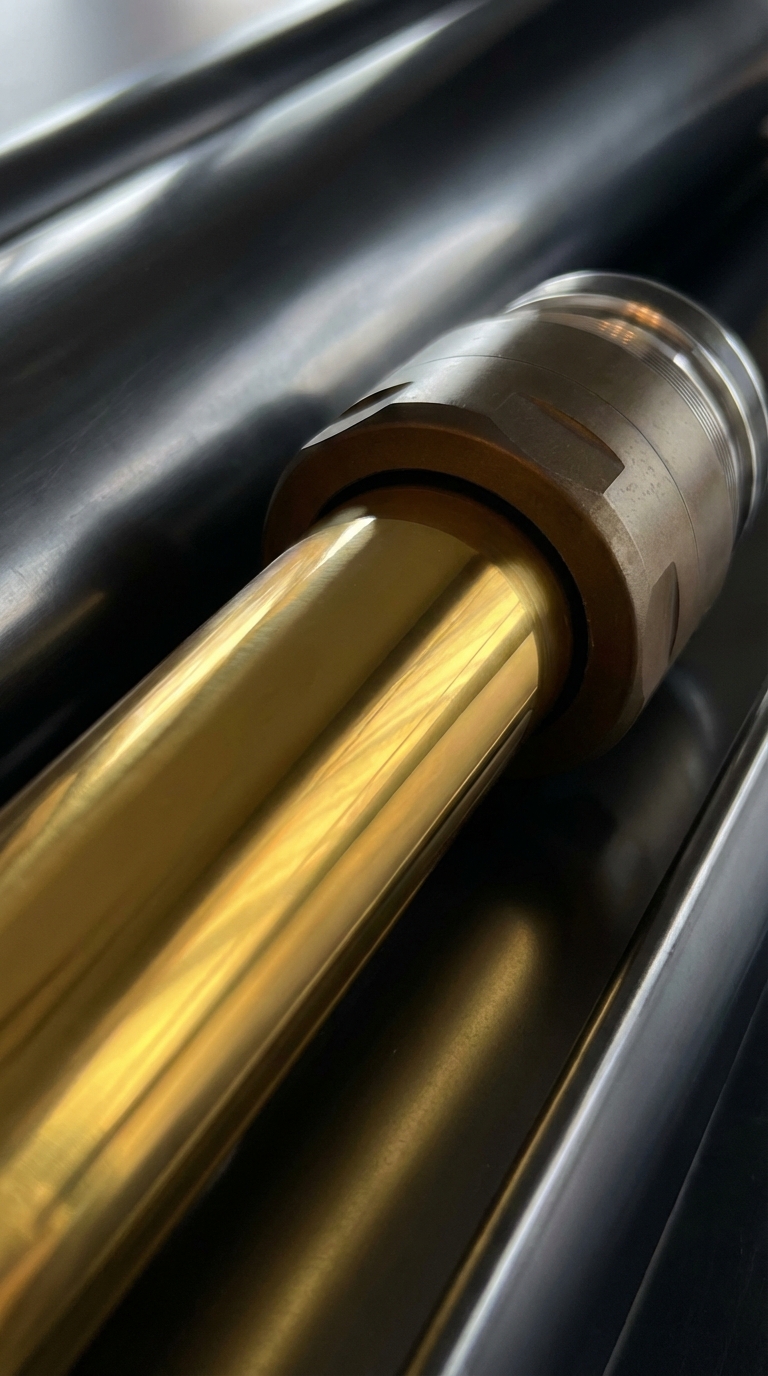
Close-up of Nimbus TiN coated piston rod and mounting eye
TiN-coated rod

Surface technology

TiN coating

Current generation Erebus and Goliath V2 units feature TiN coating (Titanium Nitride) applied over a hard chrome base layer on the piston rod.

This dual-layer system reduces friction and stiction, improving how smoothly the suspension responds to inputs. Even small movements are absorbed immediately, translating to a more refined ride from the very first bump.

TiN coating also provides superior wear and abrasion resistance for extended service life, keeping your Nimbus performing at its best over the long haul.

  • Reduced friction for smoother response
  • Lower stiction and response to smallest inputs
  • Superior wear resistance for longer life

Core principle

Why nitrogen

Compressed nitrogen serves two functions simultaneously: progressive spring and pressure source for damping.

A Nimbus unit runs on nitrogen and hydraulic oil, which form a stable emulsion as soon as the suspension starts moving. This integrated approach delivers near-instantaneous responsiveness.

Under compression, nitrogen acts as an extremely progressive spring: the less volume it has left, the faster its pressure climbs. The system absorbs small vibrations with suppleness while handling the most violent impacts with efficiency.

Oil is forced through calibrated shims and precision orifices, providing perfectly controlled resistance to both compression and rebound. Motion is converted into heat, dissipated by the fluid, ensuring constant stability under repeated loads.

The gas/oil emulsion interaction demands precise balance between damping consistency and spring behavior. This is not a standard system. It is a precision instrument, carefully calibrated.

Engineering

Why we keep the springs

Our units are spring/damper hybrids. But on most vehicles, springs remain essential.

Two types of springs

With Nimbus, your vehicle has two types of springs: the physical springs (coils, leaf packs, or torsion bars) and the nitrogen springs built into every Nimbus unit.

Why they stay

Springs support the vehicle's static weight and preserve chassis integrity. Shock absorber mounting points aren't designed to bear the full load alone, especially under heavy impacts. Removing springs risks long-term structural fatigue.

The Goliath V2 exception

The Goliath V2 is a fully oleo-pneumatic solution that replaces the entire spring + damper assembly. The mounts are engineered to handle the full load. But unless you're running Goliaths, your springs must remain part of the system.

Choosing the right springs

Nimbus Erebus works in harmony with your springs. Stock configuration usually needs no change. If you've upgraded for heavier loads, we'll factor that in during post-order validation and recommend matched progressive springs if needed.

Design philosophy

The "no clicker" approach

Nimbus units do not feature external damping adjustment knobs, known as clickers. This is an intentional engineering choice, not a limitation.

In an oleo-pneumatic system, changing the gas pressure naturally adjusts both the spring rate and the damping force simultaneously. Higher pressure increases support and pushes oil harder against the valve stack, keeping the ratio of spring-to-damping mathematically correct.

This prevents the common user error of creating a mismatched setup, for example high spring rate with soft damping, and eliminates the confusion of managing dozens of possible clicker combinations.

Typical clicker setup

Spring rateHigh
DampingLow

Easy to mismatch and create instability.

Nimbus pressure logic

Spring rateMatched
DampingMatched

One pressure variable keeps the system in ratio.

Self-adjusting system One pressure adjustment. Correct spring and damping, automatically.

Proven heritage

A century of engineering excellence

Oleo-pneumatic technology, pioneered over a century ago, has been the backbone of superior suspension systems in iconic brands like Citroën, Rolls-Royce, and Mercedes-Benz.

The technology is also extensively used in aviation. Every commercial aircraft landing gear uses oleo-pneumatic struts to absorb the enormous forces of landing.

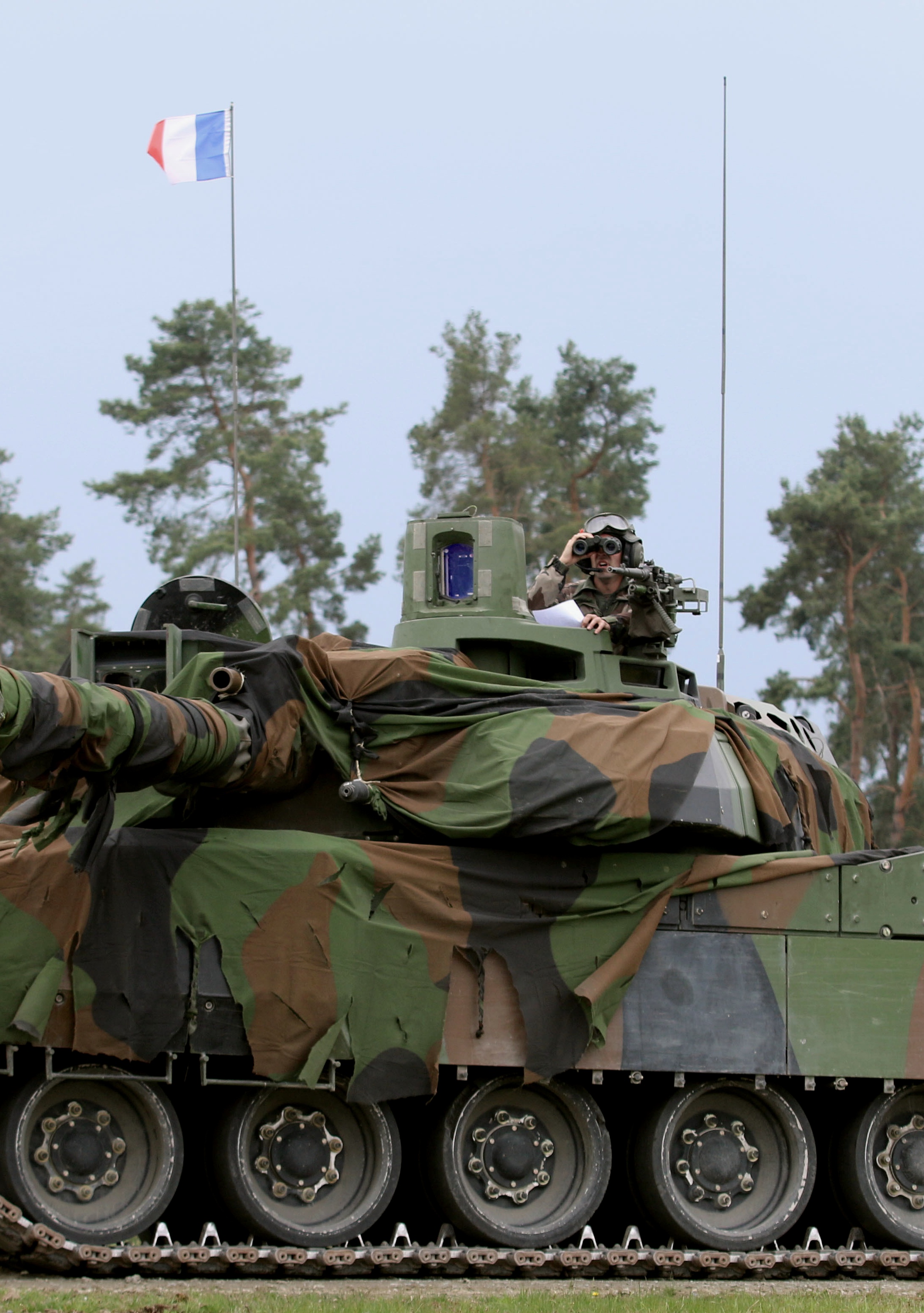
The French Leclerc tank, weighing in at 55 tons, is the heaviest land vehicle to operate on oleo-pneumatic suspension. Nimbus takes this same battle-proven principle and refines it for your 4x4.

Aviation heritageMilitary and defence grade
French Leclerc main battle tank, 55 tons on oleo-pneumatic suspension
Leclerc MBT · 55 tons

Product lines

Two core architectures

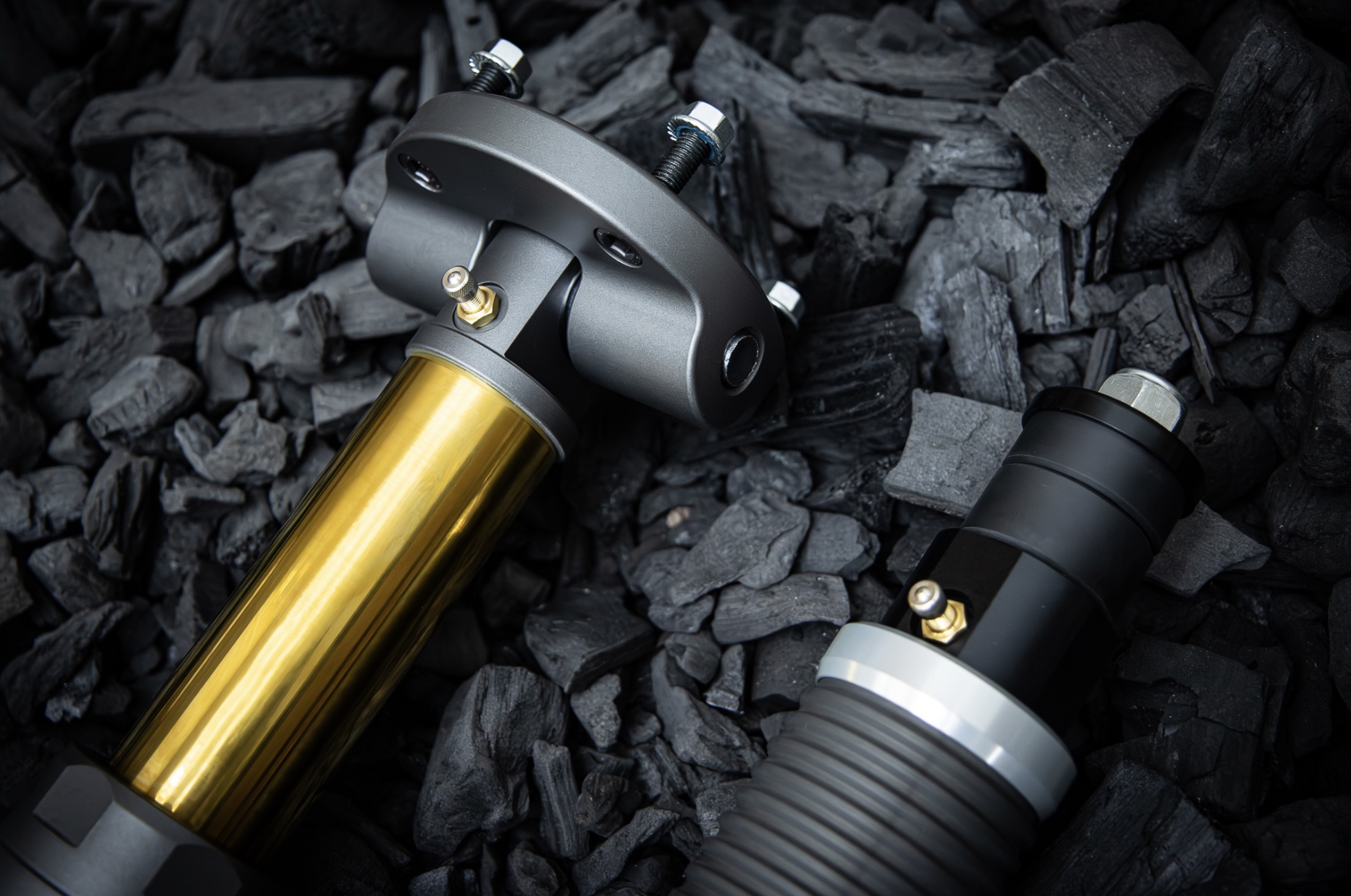
Nimbus Erebus and Goliath V2 suspension units side by side
Erebus + Goliath V2

Goliath V2 Coil over front

The upgraded Nimbus suspension unit for coil over front suspension platforms. Goliath V2 replaces front springs by design, complemented by two Erebus units at the rear.

Application
Coil over front
2 Goliath + 2 Erebus
From $6,960
Rod finish
TiN over hard chrome

Erebus Current generation

The current generation Nimbus suspension unit for solid axle, IFS front, and rear axle platforms where the damper and spring are separate components. Each unit is a self-contained system combining nitrogen gas and hydraulic oil in a calibrated, sealed body.

Application
Solid axle / rear
Set of 4
From $5,880
Rod finish
TiN over hard chrome

Hand-crafted in France

The art of building a Nimbus

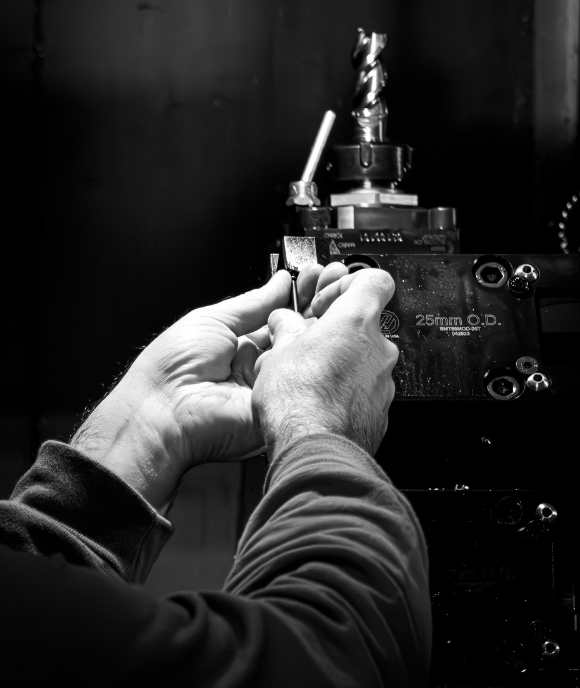
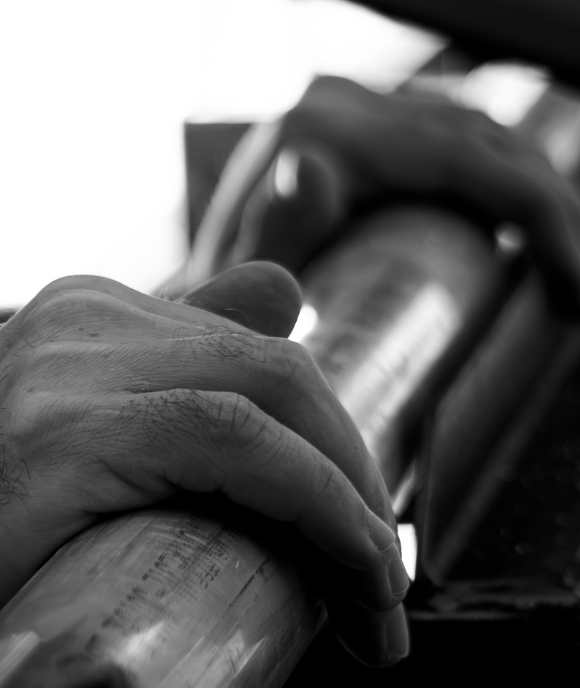
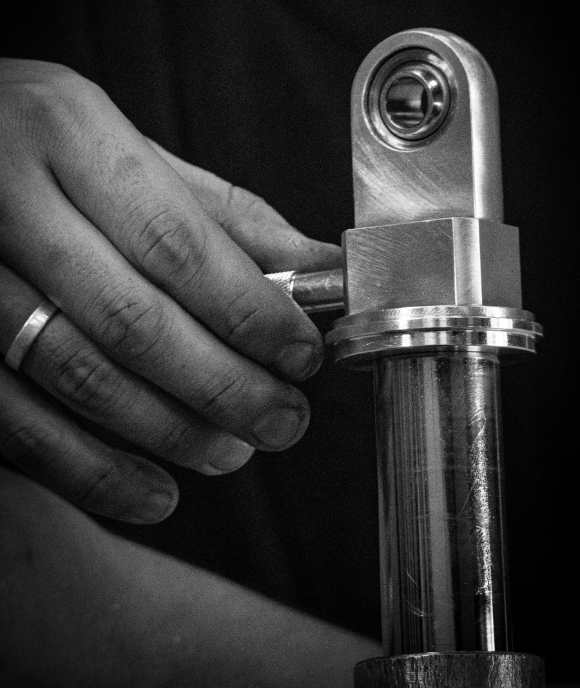
Every unit is assembled, tested, and finished by hand in our South of France facility.

Each unit is hand-crafted using the highest-grade materials we can source, often the same aluminums and components used in aerospace applications. Our factory is near Saint-Gaudens in southwest France, in a region shaped by aerospace engineering discipline and precision.

Built for purpose

Where Nimbus fits

Nimbus was built first for modern 4x4s and SUVs: overland, expedition, security, and professional users who carry weight over varied terrain and need reliability with comfort. The same technology is now coming to the road, starting with a program for Tesla drivers.

Not a race shock. Not a cosmetic lift kit. Nimbus is a precision instrument tuned for real-world use, whatever the vehicle carries or wherever it drives.

On most vehicles, Nimbus works with the vehicle's springs to create the best balance between comfort and support. Nimbus is tuned to integrate with the springing system, which should assist the unit without taking over. In rough terrain, both the springing and damping architecture work at full intensity together. For Goliath V2 platforms, Nimbus replaces the front spring function by design, and on heavier-use builds Nimbus MAX adds matched coil springs where required.

Explore vehicle fitment →
Land Rover Defender overlanding with Nimbus oleo-pneumatic suspension
Defender / overlanding · 4× Erebus

Who we are

Our story

Nimbus Suspensions is a family-owned company born from a shared passion for off-road adventure and precision engineering.

Created by Pierre-Olivier and his son Killian, Nimbus set out to bring the performance of oleo-pneumatic suspension systems to serious 4x4 enthusiasts. The trail is where we come from, and the same architecture has since earned a wider job: a suspension program for Tesla drivers, damping systems for industry, and ∆P, our portable nitrogen system for precise pressure work anywhere.

With roots in Florida and a growing global presence, from Denver to Melbourne, the company remains grounded in its values of quality, craftsmanship, and community.

Every suspension is hand-built in our South of France facility, reflecting a deep commitment to excellence and a personal legacy shared with every customer.

Care & longevity

Built to last. Easy to maintain.

Nimbus suspensions are designed for longevity. Stick to our care guidelines, and they'll be delivering top-notch performance for decades.

Torque checks

Re-torque mounting hardware at 100 miles after install, then every 3,000 miles.

Visual inspection

Check for visible hardware issues, torn bushings, traces of oil, and anything else that does not look right.

Full service

Optional and based on use. Many clients never need it. We usually suggest to service the Nimbus every 3 years if you are not sure.

Questions & answers

Need quick answers before ordering?

Ready to experience the difference?

Stop bouncing. Stay in control.

No pressure, no scripts, just honest advice.